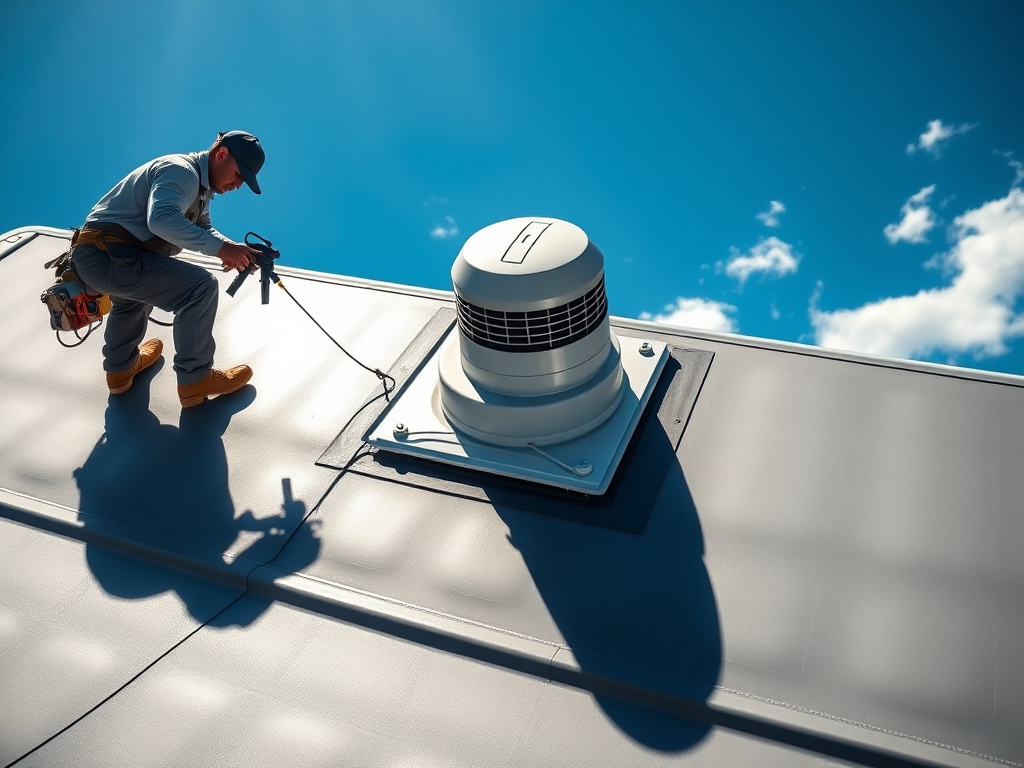
RV Roof Repair & Reseal — Stop Leaks Before the Monsoon
The Arizona sun bakes RV roof sealant brittle in a few short years. We reseal seams and vents, patch membranes, and recoat roofs to keep water out.
Nothing destroys an RV faster or more expensively than water getting past the roof. And nothing attacks an RV roof harder than the Arizona sun. The intense, year-round UV here bakes self-leveling lap sealant brittle, cracks it, and pulls it away from seams and fixtures in a fraction of the time it takes in cooler climates. By the time the summer monsoon rolls through, a neglected roof is an invitation for leaks.
We inspect, reseal, patch, and recoat RV roofs on-site so water stays out. Whether you have EPDM or TPO membrane, fiberglass, or aluminum, we reseal seams, vents, skylights, and the AC gasket, repair punctures and soft spots, and apply full recoats when a roof needs a fresh protective layer. Staying ahead of the sun is far cheaper than repairing the rot it lets in.
How Often Should You Reseal an RV Roof in Arizona?
The general advice you'll read online — inspect seals annually, reseal every few years — is written for mild climates. It doesn't hold up here. Phoenix delivers one of the heaviest UV doses in the country, and lap sealant that might last four or five years up north can crack and fail in a year or two on a rig parked in the Valley sun.
Our recommendation for Arizona RVs is a seal inspection every six months and a reseal of seams, vents, and fixtures roughly every one to two years — sooner if you spot cracking. It sounds frequent because the environment is extreme, but resealing is inexpensive compared to repairing water-damaged decking, framing, and interior walls. Catching a hairline crack in a vent seal costs a fraction of what a soft, rotted roof section does.
Finding and Stopping Leaks
Roof leaks are sneaky. Water that shows up as a stain over the dinette may be entering several feet away and running along a rafter before it drips. We don't just chase the stain — we systematically inspect the roof, seams, fixtures, and the AC gasket to find the true entry point, then seal it properly. Guessing wastes money; methodical diagnosis fixes it once.
When a roof has gone beyond spot repair, a full recoat restores it. A quality liquid or elastomeric roof system seals the entire surface, bridges small cracks, and — a real bonus in the desert — reflects heat to keep the interior cooler and take some load off your air conditioner. We'll tell you honestly whether your roof needs a targeted reseal or a full recoat.
How It Works
Roof Inspection
We get on the roof and evaluate every seam, vent, fixture, and the membrane itself for cracks and lifting.
Locate the Source
For active leaks, we trace water back to the true entry point rather than the interior stain.
Reseal or Recoat
We apply the right lap sealant or a full protective recoat based on the roof's condition.
Protect Going Forward
We set you up with a realistic Arizona reseal schedule so leaks never get started.
Roof Repair & Reseal FAQs
Rig Down? We'll Come to You.
Book mobile RV service anywhere in Metro Phoenix — home, campground, storage lot, or roadside. Certified techs, honest quotes, same-day and next-day appointments.