If you own an RV in the Valley of the Sun, two questions come up again and again: what is this repair going to cost me, and why does my rig keep breaking in the heat? This guide answers both. We'll walk through what mobile RV repair actually costs in Phoenix in 2026 — from the service-call fee to the price of the repairs Valley RVers need most — and we'll explain exactly why the Arizona desert is so hard on an RV. No fluff, no upsell, just the numbers and the reasons behind them.
A quick note on pricing before we dig in: every rig and every failure is different, so treat the figures here as realistic ranges, not quotes. The only way to know what your specific repair costs is a diagnosis. But knowing the ballpark helps you plan, budget, and spot when something's off.
How Mobile RV Repair Pricing Works
Mobile RV service is priced a little differently from a brick-and-mortar shop, and understanding the structure keeps the bill from surprising you.
The Service-Call Fee
Almost every mobile RV repair company charges a service-call or trip fee. In Metro Phoenix, that fee typically runs $125 to $175, sometimes more for outlying areas or after-hours emergencies. It covers travel to your location and the first portion of diagnostic time. The good news: reputable mobile techs — us included — credit that fee toward the repair when you approve the work. So it isn't an extra charge on top of the job; it's the front end of it.
Why charge it at all? Because mobile service means a fully stocked van and a certified technician drive to you instead of you coming to a shop. That travel time is real, and the trip fee is what makes same-day, come-to-your-rig service possible in the first place. When you weigh it against the cost of towing a motorhome — often $200 to $500+ just to get it to a shop — mobile service usually comes out ahead before any repair even starts.
Labor Rates
Mobile RV labor in the Phoenix area generally runs $120 to $175 per hour. That's comparable to dealer shop rates, but you're skipping the tow, the drop-off, and the days or weeks your rig would otherwise sit in a queue. For anyone living in their RV or mid-trip, that convenience is worth a great deal.
Parts
Parts are billed on top of labor. We carry the most common failure parts — capacitors, fan motors, water pumps, sealant, common fittings — so many repairs are done in a single visit without a separate parts-sourcing trip. Specialty components (a slide motor, a cooling unit, a specific control board) may need to be ordered, in which case we secure the rig and return to finish.
2026 Mobile RV Repair Price Ranges in Phoenix
Here's what the most common Valley repairs typically cost, parts and labor included. Again — ranges, not quotes.
| Repair | Typical Phoenix Range (2026) |
|---|---|
| Service call / diagnostic (credited to repair) | $125 – $175 |
| Rooftop AC capacitor replacement | $150 – $350 |
| Rooftop AC fan motor | $300 – $550 |
| Full rooftop AC unit replacement | $1,200 – $2,500+ |
| RV refrigerator repair (board/element) | $250 – $700 |
| RV refrigerator cooling unit replacement | $1,200 – $2,800 |
| Water pump replacement | $200 – $450 |
| Water heater repair (element/thermostat) | $180 – $450 |
| Slide-out motor / gear repair | $400 – $1,200 |
| Roof reseal (seams, vents, fixtures) | $400 – $900 |
| Full roof recoat | $1,200 – $3,500+ |
| Awning fabric replacement | $350 – $800 |
| 12V electrical diagnosis & repair | $150 – $600 |
| Rooftop solar install (per system) | $1,500 – $6,000+ |
| Pre-trip inspection (multi-point) | $150 – $350 |
Two things stand out on that list. First, catching a problem early is dramatically cheaper than letting it go. A $150 capacitor caught in a fall AC service is a fraction of a $2,000 unit replacement after the compressor cooks. A $500 roof reseal is a rounding error next to the cost of repairing water-rotted decking and interior walls. Second, the desert drives a lot of these repairs — which brings us to the heart of this guide.
What Breaks in the Arizona Heat (and Why)
The Sonoran Desert is one of the most punishing environments in the country for an RV. Understanding why things fail here helps you prevent the failures — or at least see them coming.
Rooftop Air Conditioners
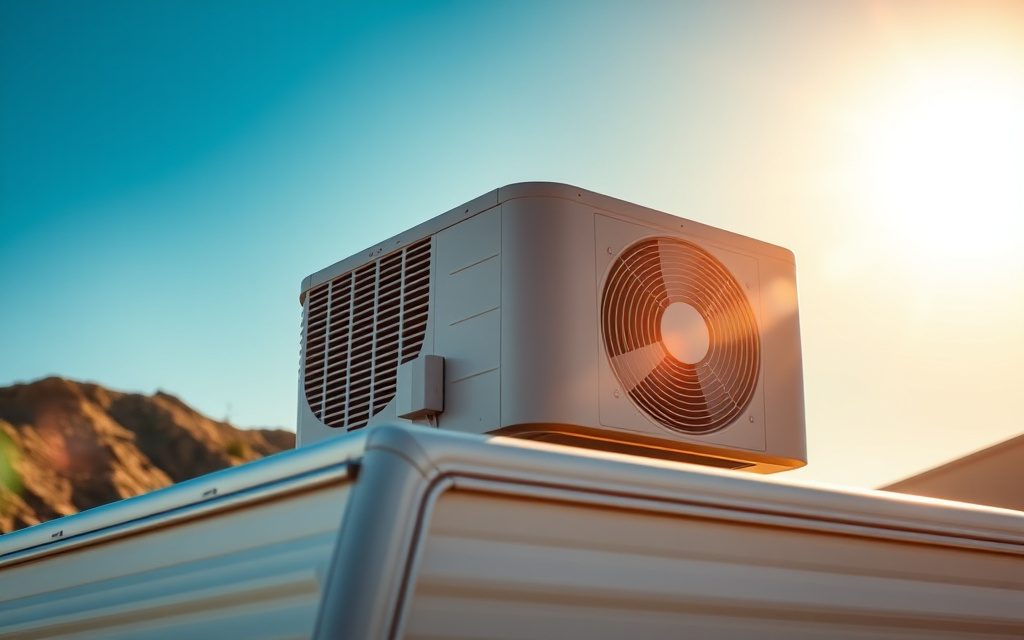
No surprise here: AC failures are our single most common summer call. An RV rooftop unit is a small appliance asked to do an enormous job. When it's 110 degrees on the pavement, the surface of a dark RV roof can hit 140 or more, and the AC has to reject heat into that. A capacitor, fan motor, or compressor that limped through a mild spring simply gives up under that load.
The most frequent culprits, in order: a failed run capacitor (cheap, fast fix), a weak or seized fan motor, a coil choked with dust, restricted airflow from dirty filters or a crushed duct, and finally a tired compressor (the expensive one). A good tech tests the capacitor, motor amp draw, and the temperature split between return and supply air to tell you honestly whether it's a quick repair or time for a new unit.
Prevention: a pre-season AC service every fall — clean coil, fresh filters, capacitor check, gasket inspection — catches the tired component in October instead of at noon in June. It's the single best-value maintenance item on this whole list for a Phoenix RVer.
RV Roofs and Sealant
Ultraviolet radiation is the enemy of RV roof sealant, and Phoenix delivers one of the heaviest UV doses in the nation, year-round. Self-leveling lap sealant that might last four or five years up north can crack, chalk, and pull away from seams and fixtures in a year or two here. Once it fails, the summer monsoon finds the gap, and water damage compounds fast and quietly.
Prevention: inspect roof seals every six months and reseal seams, vents, and fixtures roughly every one to two years — far more often than the generic advice you'll read online, because our climate is far more extreme. A reflective full recoat, when a roof needs it, also bounces solar heat and eases the load on your AC.
Awnings
Arizona UV shreds awning fabric faster than almost anywhere. The combination of intense sun and dry heat degrades the fabric from both sides — fading color, weakening the weave, and eventually leaving it brittle enough to tear in a gust. Powered awning motors and arms take a beating from heat and dust too.
Prevention: retract the awning when you're not using it and when wind is expected, and plan on fabric replacement as a wear item rather than a surprise. A fresh awning transforms desert camping — that patch of shade is the difference between using your outdoor space and hiding indoors from noon to sunset.
Tires
This one catches people off guard: most RV tire blowouts are caused by age and heat, not tread wear. An RV that sits between trips — as many Valley rigs do — can have plenty of tread and still be riding on tires that are dangerously old. Arizona heat accelerates the aging, and a blowout at highway speed can do thousands of dollars of body damage in seconds.
Prevention: check tire age (the DOT date code), not just tread. Keep pressures correct, use covers when parked, and replace tires on age even if they look fine. A pre-trip inspection flags this before you leave the driveway.
Refrigerators
RV absorption refrigerators struggle in extreme ambient heat — they simply can't reject heat as efficiently when it's 115 outside, and a marginal cooling unit or poor ventilation turns into a no-cool complaint at the worst time. 12V compressor fridges handle the heat better but aren't immune.
Prevention: make sure the fridge vents are clear and consider a small vent fan to move hot air out of the coils. Park with the fridge side shaded when you can.
Slide-Outs and Seals
Fine desert dust works into slide mechanisms and dries out seals. Grit in the rails and gears accelerates wear on everything it touches, and hardened seals let more dust and water in — a self-reinforcing problem.
Prevention: clean and lubricate slide rails with the right products, and condition or replace seals at least twice a year.
Emergency vs. Scheduled Service: What It Means for the Bill
Not every repair is created equal when it comes to timing, and timing affects cost. A scheduled repair — you booked ahead, the rig is at your home, we come on the agreed day — is billed at our standard rate. That's the ideal scenario, and it's why we push preventive maintenance so hard: planned work is cheaper and calmer than crisis work.
An emergency call is a different animal. When your AC dies at noon in a July heat wave, or you've got water actively pouring in during a monsoon storm, you don't want to wait three days for the next open slot — and we prioritize those calls accordingly. True after-hours or drop-everything emergencies may carry a priority fee, which any honest company will tell you up front before dispatching. The fee reflects the reality of jumping the queue and rolling a tech out immediately.
The lesson isn't "avoid emergencies at all costs" — sometimes they're unavoidable. It's that most emergencies are preventable. The AC that dies in June was usually a capacitor a fall service would have caught. The monsoon leak was usually a cracked seal a spring inspection would have flagged. Preventive maintenance doesn't just save repair dollars; it saves you from paying emergency premiums on top of them.
Warranty and Service-Contract Work
A lot of Valley RVers carry an extended warranty or a service contract on their rig, and there's often confusion about how mobile repair fits with those. Here's the straight version.
We can perform and document covered repairs as a service — photographing the failed component, providing the diagnosis and estimate your administrator requires, and coordinating the claim on your behalf. What we can't do is guarantee coverage: the approval and payout decisions belong entirely to your warranty or service-contract company, based on your specific plan and its exclusions. Some plans require pre-authorization before work begins, so it's worth a call to your administrator first.
The practical tip: keep good records. Save your invoices, note when symptoms started, and don't delay on a failing component — many contracts exclude damage that resulted from a known problem you let get worse. We make the paperwork side as painless as we can, but the more organized you are, the smoother the claim goes.
DIY vs. Calling a Pro
Plenty of RVers are handy, and there's real satisfaction (and savings) in doing your own maintenance. So where's the line? A good rule of thumb: the desert punishes mistakes, so save DIY for the low-stakes stuff. Cleaning coils, swapping filters, conditioning seals, checking tire pressure, sanitizing the water system — all great DIY jobs that keep costs down.
Where a pro earns their keep is anything involving propane, 120V electrical, the roof, or a diagnosis you're guessing at. A propane leak is a safety issue, not a savings opportunity. A roof reseal done wrong traps water instead of keeping it out. And throwing parts at an electrical gremlin by trial and error usually costs more than a proper diagnosis would have. When the stakes are safety, water intrusion, or an expensive component, the diagnosis is where the money is well spent.
Mobile vs. Shop: The Real Cost Comparison
On paper, a mobile labor rate and a shop labor rate look similar. But the total cost of a shop repair includes things that don't show up on the invoice:
- Towing or drive time to get the rig there — often $200–$500 for a tow.
- Downtime. In peak season, a shop backlog can be weeks. If the RV is your home, that's a hotel bill. If it's your vacation, that's the vacation.
- Diagnostic disconnect. At a shop, you're not there to describe the intermittent noise or show where the water appears. On-site, you are — and that often means a faster, more accurate diagnosis.
For a lot of repairs, mobile service isn't just more convenient — once you add it all up, it's genuinely less expensive. Where a shop still makes sense is major structural work or jobs that need a lift or a paint booth. For the bread-and-butter failures on the list above, mobile wins.
How to Keep Your Repair Bills Down
A few habits save Valley RVers real money:
- Service the AC every fall. The cheapest repair is the one you prevent with a $150 capacitor instead of a $2,000 unit.
- Inspect your roof twice a year. Reseal before the monsoon, not after the leak.
- Replace tires on age. A blowout costs far more than a tire.
- Get a pre-trip inspection before big trips. An hour with a tech in your driveway beats a breakdown in the heat.
- Address small issues immediately. In the desert, small problems don't stay small — heat and UV make them grow.
- Keep a simple maintenance log. Note when you last serviced the AC, resealed the roof, and replaced tires. It helps you budget, spot patterns, and prove upkeep for warranty claims or resale.
A little discipline on that list turns RV ownership from a series of expensive surprises into a predictable, manageable cost — and keeps your rig ready to roll whenever you are.
The Bottom Line on Phoenix RV Repair Costs in 2026
Mobile RV repair in Phoenix in 2026 starts with a $125–$175 service call (credited to the work) and $120–$175/hour labor, with most common repairs landing in the ranges above. The desert drives a predictable set of failures — AC, roof sealant, awnings, tires, and refrigerators lead the list — and nearly all of them are cheaper to prevent than to repair.
The smartest money you can spend as a Valley RV owner is on prevention: a fall AC service, twice-yearly roof inspections, age-based tire replacement, and a pre-trip check before the big trips. Do that, and you'll spend far less over the life of your rig — and spend a lot more of your time actually enjoying it.
Have a repair you want a straight answer on? Book a mobile visit or call us — we'll diagnose it where your rig sits and quote it before we touch a thing.